
We are pleased to share exciting updates on the Girls Positive and Safe Coaching Pathway from our implementing partners in Zimbabwe, Botswana, Zambia, and Malawi. These initiatives are making significant strides in empowering female athletes and coaches through comprehensive training and supportive environments.
Zimbabwe
The Pathway workshop in Zimbabwe, hosted by the Sports and Recreation Commission, commenced on 12 June 2024. Led by Shephard Mukanhairi with support from Gorata Kgathi from Botswana, the virtual workshops brought together 40 active grassroots coaches from all ten provinces. With 24 female and 16 male participants, these active grassroots coaches are affiliated with their respective National Sport Associations. The workshops will culminate in a physical session on 28 August, reinforcing the skills and knowledge imparted during the virtual sessions.
Botswana
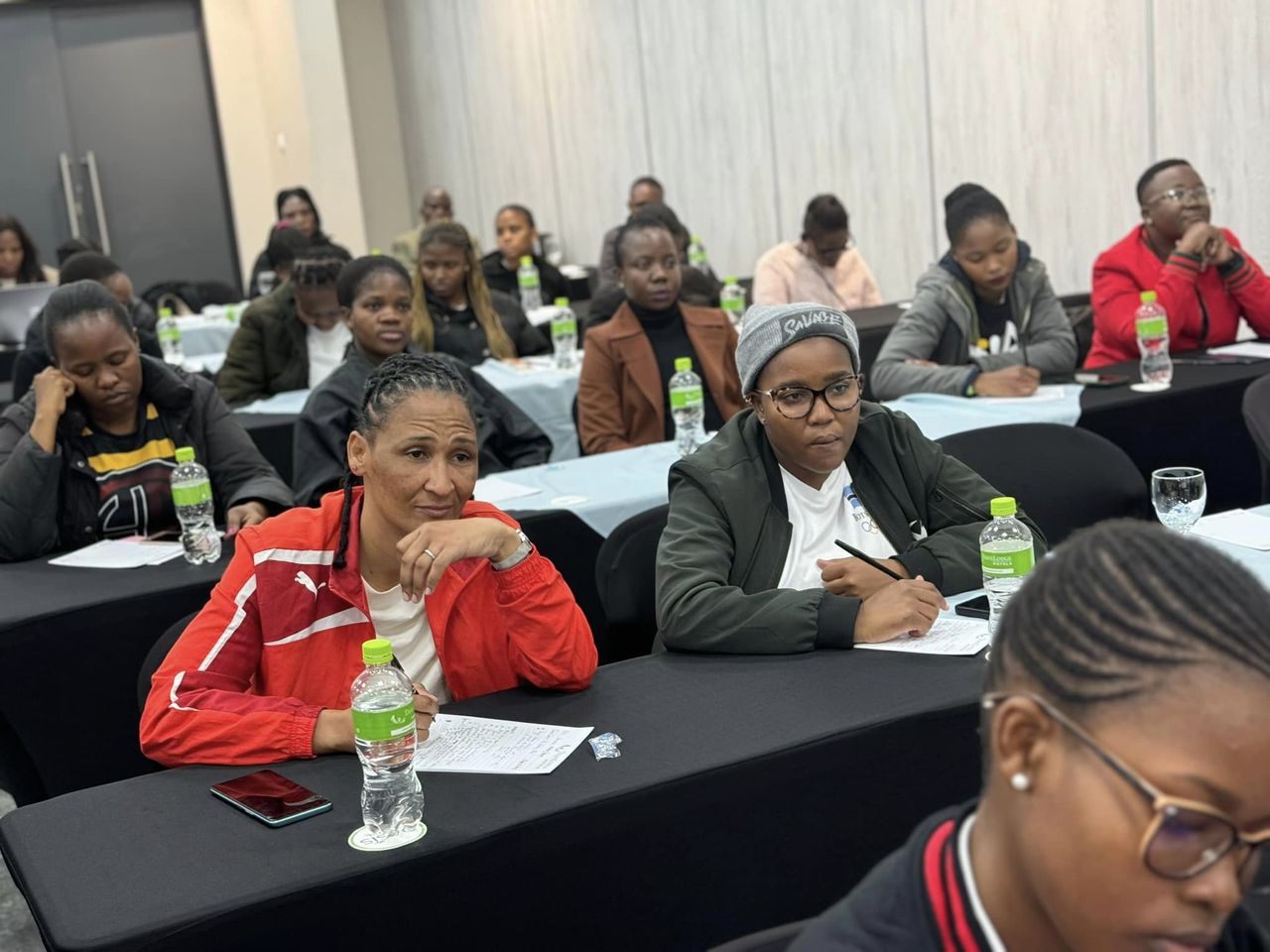

The Women and Sports Botswana (WASBO) trainers — Tapiwa Masunga, Gorata Kgathi, Barobi Nwako, and Bridget Kabuku — have been conducting a series of online webinars as part of the Girls Positive and Safe Coaching Pathway. On 27 July, they concluded with a physical workshop on the final module, officially opened by Mr. Stanley Mutoya, CEO of the African Union Sports Council Region 5. The workshop, attended by 61 coaches, combined the TAFISA Girls Positive and Safe Coaching Pathway with The Anita White/IWG Inclusion Physical Workshop.
Zambia

On 26 July, Zambia hosted the Girls Positive and Safe Coaching Pathway Workshop, led by Dr. Katongo Bwalya from the National Sports Council of Zambia (NSCZ). This workshop, supported by AUSC Region 5 and the Ministry of Youth, Sport and Arts, focused on enhancing the participation of women and girls in sports. The CEO of NSCZ emphasized the organization’s commitment to supporting women in sports, ensuring the program’s success and sustainability.
Malawi
The Malawi National Council of Sports, led by trainer Lisungu Banda, has been actively running the Pathway course for the past three weeks, with sessions held thrice a week. Despite occasional dips in attendance, the course consistently engages a group of over 50 coaches. These dedicated sessions are essential in equipping local coaches with the skills and knowledge needed to create a positive and inclusive environment for girls in sports. The practical approach and consistent schedule have allowed participants to steadily progress and apply their learnings effectively.
With the training phase successfully completed, all trained coaches are now dispatched back to their respective communities and clubs to implement the learnings from the Pathway workshops. Their mission is to create safer, more inclusive, and empowering sports environments for girls. As they apply these new skills and knowledge, we anticipate a significant positive impact on the participation and retention of girls in sports across Southern Africa.
We look forward to seeing the continued progress and success of the Girls Positive and Safe Coaching Pathway initiative as these coaches bring their training to life in their communities.
 Girls Positive and Safe Coaching Pathway